Deep in the Himalayas, most traditional ‘Gharats’ (watermills) lie abandoned, but in a few villages, they are being revived with a blend of tradition and technology. Instead of contemporary and futuristic power plants, the focus here is on these traditional watermills which are being upgraded to power homes and provide utilities for communities. Exploring these ancient devices reveals impressive engineering feats and exposes the opportunities for sustainable development.
The Gentle Hum of Tradition: Watermills’ Mechanisms and Their Uses
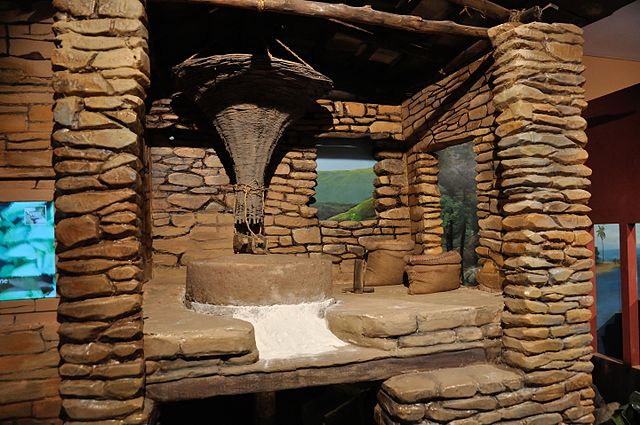
For over hundreds of years, life in the Himalayas has been dependent on the countless streams running throughout. The ‘gharat’ symbolizes a core part of the Himalayan culture, being an ingenious device that uses the stream’s energy to grind grain. In simple terms, water is diverted from a stream into a narrow channel which then is used to hit blades of a wooden turbine or wheel. The water then spins a wooden turbine or wheel which rotates a heavy stone that grinds grains like wheat.
The gharat demonstrates how the beauty of an ancient technique lies not only in its aesthetic appeal but also in its profound respect for nature. Nature never rushes—the stream flows back gently after its task, carrying no traces of pollution. The gharat’s eco-friendliness is supported by nature’s inherent harmony. Along with stone grinding, the nutritious flour from the gharat became a symbol of sustainable living and local culture. The people who traditionally built and operated gharats are known as Gharatis. The unique grinding stones, known as pat, are either made locally using riverbed stones or sourced from regions known for superior-quality stone, such as Gwalior.
A Powerful Upgrade: The Technological Transformation
“The traditional Gharat system has been a part of the culture for a very long time. However, in the absence of modernization, it still faces several limitations. Often used for only one purpose, they are labor-intensive and unable to compete with modern systems. The good news is that recently, a wave of modernization is breathing new life into these ancient systems, unlocking their potential in unexpected ways.
These watermills are more efficient now. One of the most groundbreaking changes observed is the replacement of the fragile wooden turbine with a cast-iron one, which is more durable and effective. In many cases the original 28 runner blades have been reduced to 18, with newly implemented holes designed to improve water flow along the edges. Additionally, traditional stone bearings have been replaced with cast-iron and mild steel bearings, resulting in smoother operation and higher RPMs, making the whole system far more efficient.

Fig. Traditional Flour Mill (Gharat) and its parts in local language
These smart changes lead to significantly better performance. Compared to the original models, the newer designs show a 40–50% improvement in energy efficiency as per the report published in the reputed Down to Earth megazine. ‘Himurja’ (Himachal Pradesh Energy Development Agency) – designed units can generate up to 10 horsepower—roughly 7,500 watts of energy—when placed below a 10-meter (33-foot) waterfall as per the cited report. This enhanced functionality means gharats are no longer limited to grinding grain. The modern, multi-machine versions developed by Himurja can even replace conventional lathes or grinding units, simultaneously powering various segments of rural industries and transforming them into multifunctional village hubs.
New Capabilities of Upgraded Gharats
- Faster Flour Milling: Core function of the gharat, now faster than ever before.
- Oil Extraction: It is now used to power oil expellers to extract vital oils from seeds.
- Rice Husking: Streamlines the labor-intensive process of removing rice husks.
- Wood Cutting: Helps with carpentry and construction in remote areas.
- Cotton Processing: Supports preparation of cotton for the textile industry.
- Wool Weaving: Strengthens the local wool industry and traditional crafts.
These functions, along with the improved ability of the gharat to generate small-scale electricity, make them attractive alternatives. They can provide lighting and power for basic appliances, supporting several rural households and acting as decentralized power systems.
The Three Pillars of Sustainability: How and Why These Watermills Are Transformative
The modernized gharat represents an ideal model of sustainable development by benefiting the environment, the economy, and society as a whole.
1. Environmental and Ecological Impact
Above all, the gharat is a green energy champion. It masterfully utilizes the kinetic energy of flowing water, a constant and self-renewing resource. During operation, gharats do not emit greenhouse gases, opposite to fossil fuel-powered systems that contribute to climate change and pollution. Water used in the process is returned clean to its source. This is especially crucial in ecologically sensitive zones like the Himalayas. The footprint is small, making watermills indispensable. Neither the processed grain nor the water is contaminated.
2. Money Power
For groups living in remote areas with limited accessibility, these upgraded watermills offer financial opportunities. Reports show that gharats can be turned into profitable businesses. They provide power where it’s needed—for farming and small-scale industries—allowing communities to use their produce locally. This adds value to crops, supports the local economy, and fosters self-sufficiency. It reduces dependence on distant markets and the high cost of transportation. Another advantage is reduced energy bills, leaving families with more disposable income for essentials.
3. Community Effort
Shared use of upgraded gharats promotes community self-reliance and pride. This fosters knowledge-sharing and accelerates cultural and economic growth. These local livelihoods also help reduce migration to urban areas. Traditional skills are preserved, and the community stays connected. Beyond economics, the availability of clean, steady energy dramatically improves quality of life—powering lights, phone charging, and other basic services once difficult to access.
Challenges and What’s Next
Even though upgraded watermills have great potential, they are not without problems:
- Maintenance Problems: It’s hard to find parts for new designs. People in remote villages have to travel far, making repairs and improvements difficult.
- Lack of Government Initiatives: Government support is limited. Without aid, local businesses face funding shortages and stagnate.
- Lack of Awareness: Many people don’t know about the improved gharats or their benefits—even though they cost only around Rs 12,000—so those who could benefit most often miss out.
- Convenience of Modern Options: Electric flour mills are easier to use, and government shops offer pre-made flour. This makes it hard for gharat operators to compete, causing many to leave the trade for better-paying work.
A study from Chamba district by Sharma et al., 2021 shows this issue clearly. In Pangi, usage of watermills is increasing due to local motivation. In contrast, in Tissa, electric mills and ready-made flour are reducing gharat use.
To Truly Empower Watermills, We Need To:
- Involve the Government: Policies must support gharat upgrades with subsidies, funds, and guidance.
- Make Parts Locally: Local manufacturing of parts can fix supply problems and generate employment.
- Raise Awareness: NGOs and local administrations like panchayat’s must educate people on the environmental and economic benefits.
- Combine with Other Programs: Gharat development should be part of multipurpose rural initiatives like farming, small businesses, and electrification.
- Improve Designs Further: Continued research and innovation are needed to lower costs and expand the scope of use.
A Bright Future
Watermills show that sometimes the best solutions lie in improving old traditions. With new technology and environmental care, these devices do more than just generate electricity. They can power homes, uplift rural economies, and reconnect people with nature. Water that once quietly ground grain now holds the potential to build a sustainable and better future across the Himalayas—and possibly other regions with similar hydrogeological potential.
References:
1.”Technology gives traditional watermills a lift.” Down To Earth, 22 November 2013, www.downtoearth.org.in/environment/technology-gives-traditional-watermills-a-lift-30067.
2. Sharma, Vivek, et al. “Gharat (Traditional Watermill) as a Sustainable Indigenous Technology for Livelihood Security in the Himalayan Region of Chamba District, Himachal Pradesh, India.” PMC, 26 April 2021, pmc.ncbi.nlm.nih.gov/articles/PMC8084263/.
3. “Traditional Indian Water Mill | Grinding Wheat into Flour in Uttarakhand (Bageshwar).” YouTube, uploaded by https://www.google.com/search?q=Googleusercontent.com, 20 Jan. 2020, https://www.youtube.com/watch?v=aIDD8SLF-To&t=5s.
4. Photo Credit: Wikimedia Commons

Leave a Reply